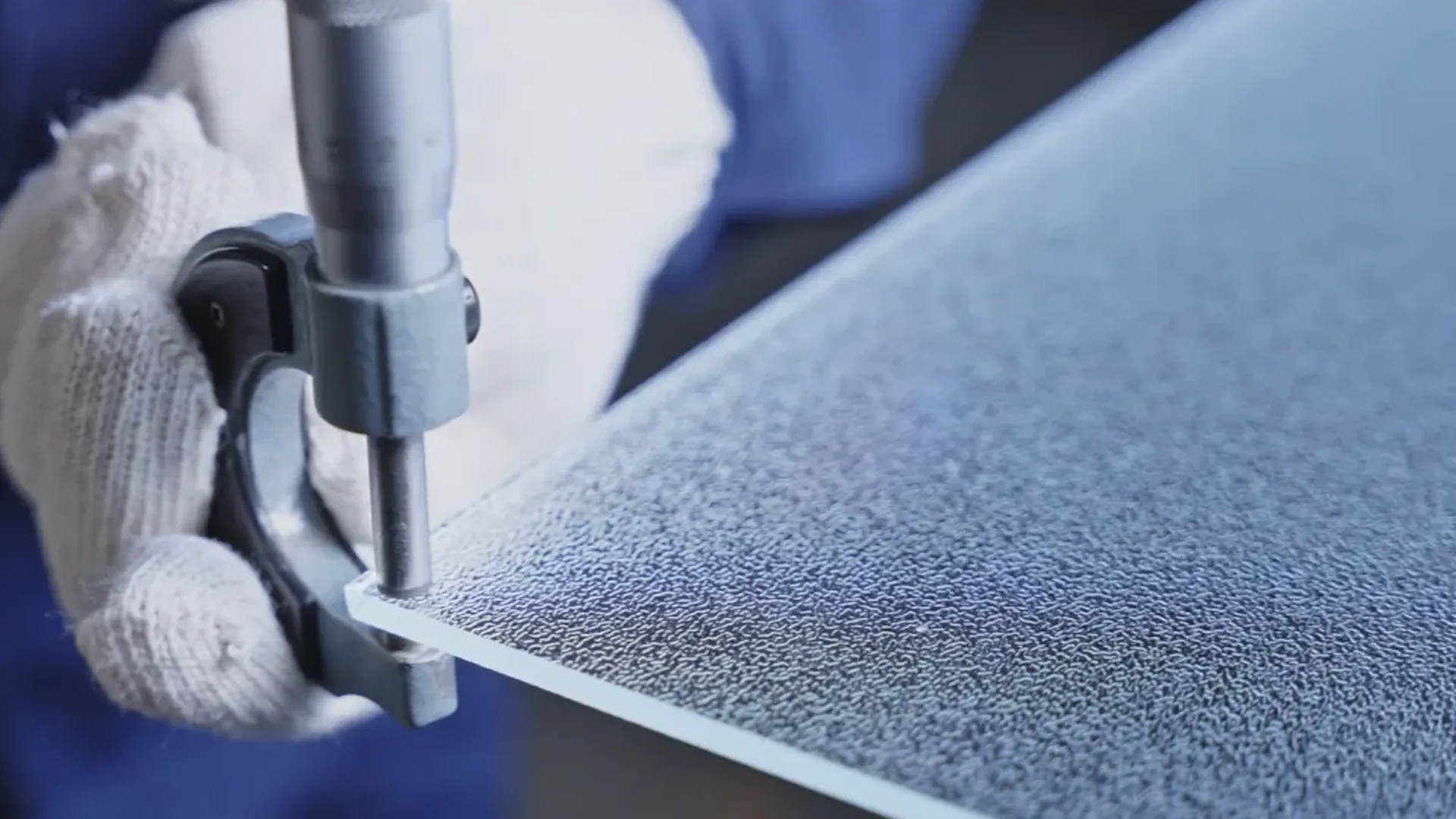
A 0.2 millimetre difference on one sheet of glass is barely visible to the naked eye. On a small hobby greenhouse, it may cause no noticeable issues at all. But when scaled across tens of thousands of panels in a multi-hectare commercial Venlo greenhouse — all seated in the same uniform aluminium glazing system — those tiny millimetres compound into measurable, costly risks.
For professional greenhouse builders and growers, greenhouse glass thickness tolerance is not a minor technical detail. It is a foundational factor that determines sealing performance, structural safety and the long-term service life of the entire glazing envelope. Understanding how tolerances interact with your framing system helps you select suppliers that protect your project from avoidable installation problems and premature failure.
Every component in a glazing system has its own dimensional variation. When glass, aluminium profiles and EPDM gaskets all reach their extreme tolerance limits in the same direction, the result is known as tolerance stack-up — and it is the root cause of many common glazing failures that only become apparent after installation.
EPDM rubber gaskets rely on consistent, even compression to create a continuous weathertight seal. If glass thickness varies from pane to pane, some gaskets will be over-compressed while others sit too loose.
Under-compression creates gaps that allow water ingress, air leakage and heat loss, raising operational costs and creating conditions for mould and corrosion inside the framing system. Over-compression accelerates gasket ageing, causes permanent deformation and leads to early seal failure that requires costly rework mid-project or within the first few years of operation.
For large-scale projects using standardised aluminium glazing channels, consistent glass thickness is the simplest way to guarantee predictable gasket compression across every panel.
For a detailed breakdown of interface matching principles, see our glass-aluminium-rubber seal assembly guide
### Edge Stress and Long-Term Breakage Risk
Inconsistent thickness also creates uneven loading along glass edges. When a pane sits unevenly in the glazing channel, localised pressure points build up along the edge — especially at setting block positions.
Over time, combined with thermal movement, wind load and frame deflection, these stress points can cause spontaneous edge cracking and pane breakage. On multi-hectare sites, even a small percentage of premature breakage translates to significant replacement costs, crop disruption and lost production time.
Tighter thickness tolerances ensure every pane seats evenly and distributes load uniformly across the full perimeter, minimising concentrated stress and extending the service life of the entire glazing system.
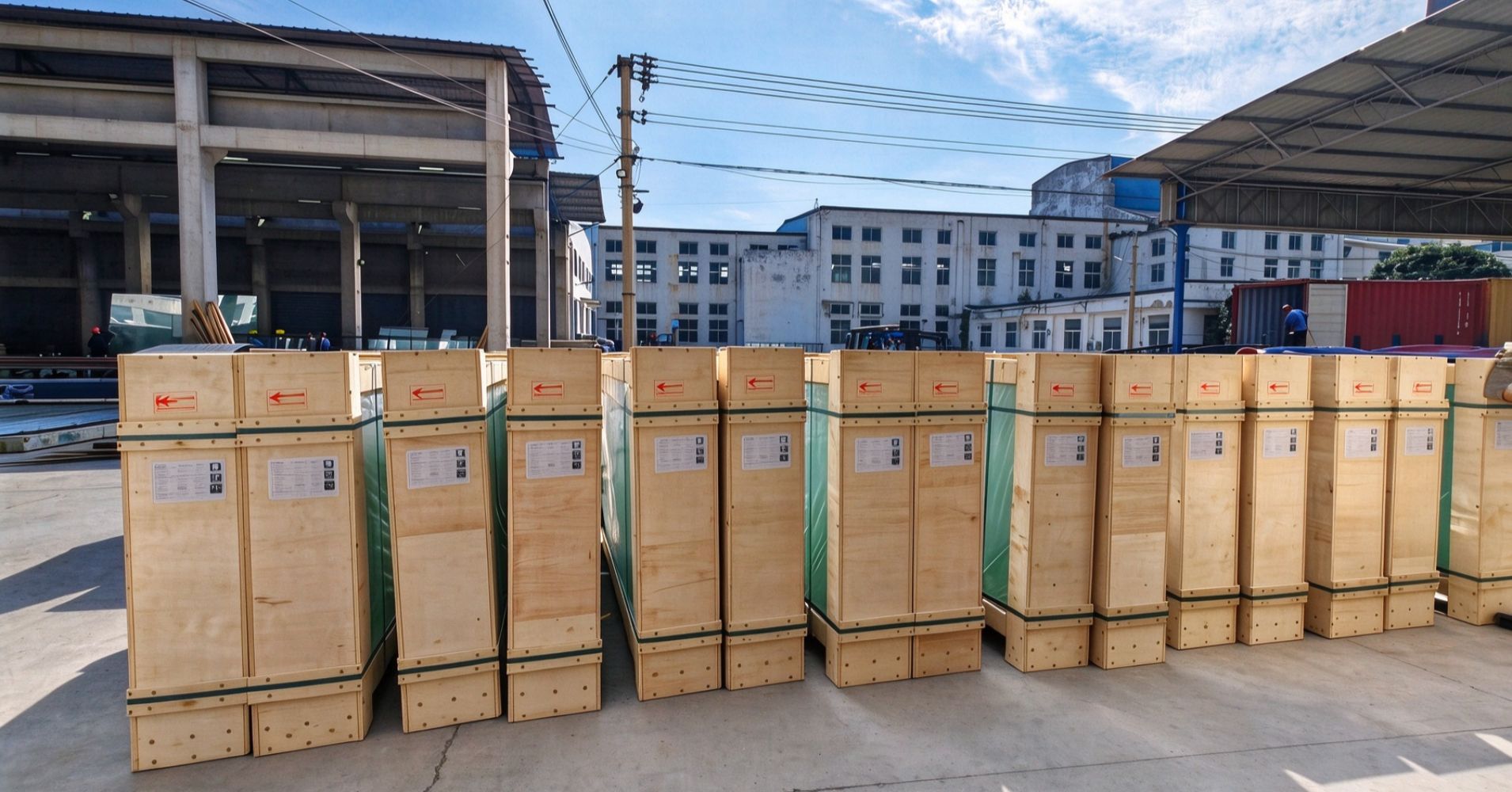
At Yuhua Glass, we design our production and quality control workflows specifically for the demands of large commercial horticultural projects. We treat batch consistency as equally important as single-pane accuracy, because that is what delivers reliable performance at project scale.
Our tempered horticultural glass is manufactured to defined, documented thickness tolerances aligned with premium commercial glazing standards:
– 4 mm glass: ± 0.2 mm tolerance
– 5 mm glass: ± 0.3 mm tolerance
This level of control reduces variation across a full project batch, ensures predictable fitting with standard aluminium profile systems and minimises the risk of tolerance stack-up issues at installation.
Learn more about our horticultural tempered glass range for commercial Venlo greenhouse projects.
Every project batch moves through a structured quality control procedure before dispatch. Our inspection team carries out dimensional verification, thickness sampling across the batch, coating performance assessment and edge safety inspection.
For large orders, we also provide formal batch consistency reports that document thickness variation across the production run. This gives project teams full visibility into quality before shipment, and creates a traceable record that supports project handover and long-term performance tracking.
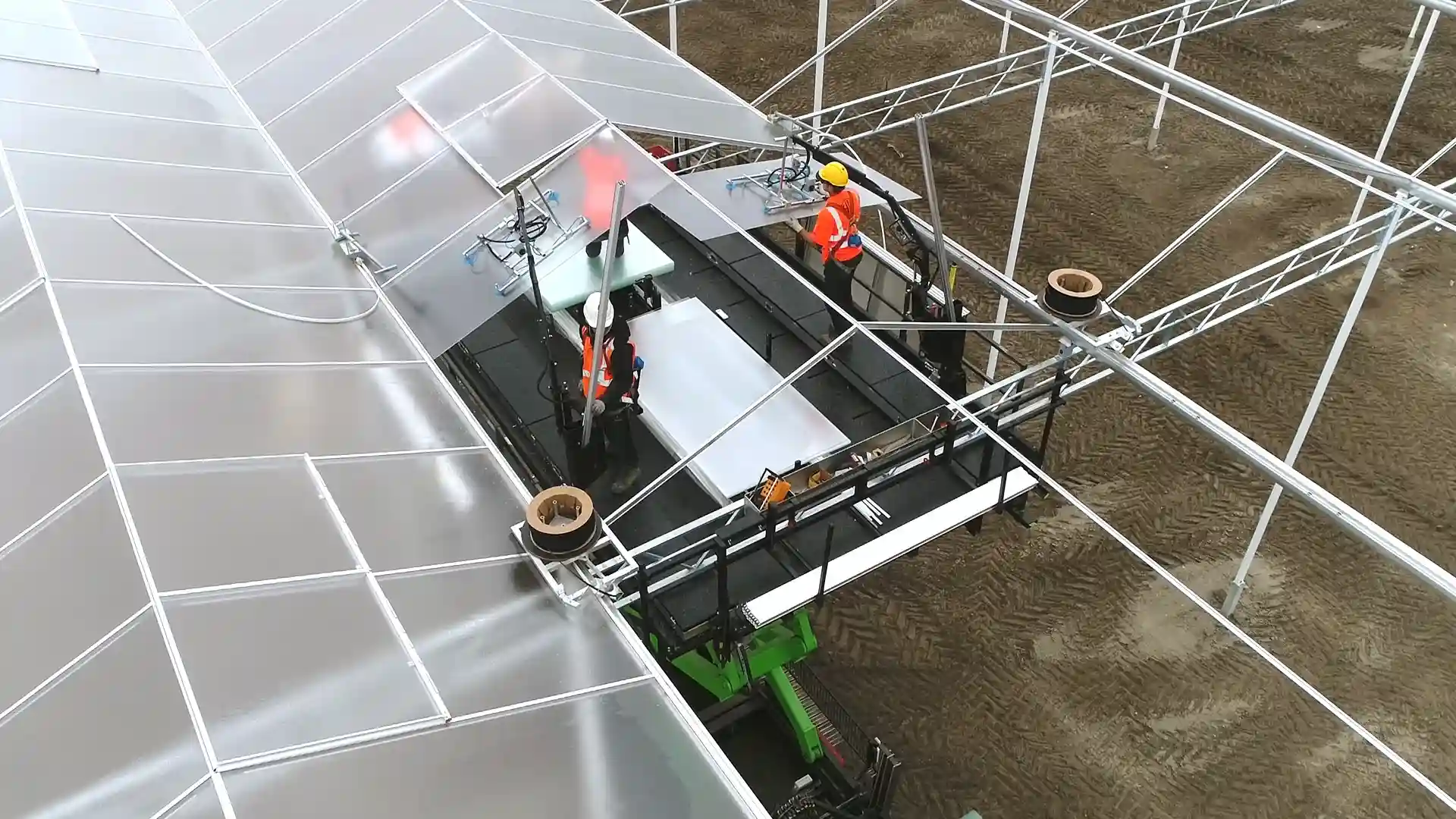
Investing in tighter tolerance glass delivers measurable benefits across the full project lifecycle:
For greenhouse operators, this translates to more reliable production, lower operational costs and a glazing system that performs consistently over decades of service.
See how this approach delivers results across our completed commercial greenhouse projects worldwide.
In greenhouse glazing, millimetres are not small numbers. They are the difference between a weathertight, long-lasting system and one that suffers from persistent leaks, early breakage and unexpected maintenance costs.
For small projects, wider tolerances may be acceptable. For multi-hectare commercial Venlo greenhouses where every panel shares the same framing system, batch-to-batch consistency and controlled thickness tolerances are non-negotiable for long-term performance.
If you are planning a commercial greenhouse project and want to discuss glass specification, tolerance requirements or quality control processes, our technical sales team is ready to assist.